Orlando Multifamily Is Rebalancing: Why 2026 May Reward Patient Buyers
The apartment market is showing signs of stabilization—but this is still a market where disciplined underwriting matters.
For the past several years, the Sun Belt multifamily story has been dominated by two competing forces: tremendous population and household growth on one side, and a historic wave of new apartment construction on the other.
The Big Picture: Multifamily Is Starting to Turn a Corner
Across the United States, apartment fundamentals are showing signs of improvement. During the second quarter of 2026, apartment demand outpaced new supply over the trailing 12 months for the first time since early 2022, according to Cushman & Wakefield. Construction activity is also retreating, which could gradually reduce the supply pressure that has weighed on many Sun Belt markets. National asking rents increased 1.5% year over year during Q2, improving from 1.1% during the first quarter.
Orlando Is Still Working Through Its Supply Wave
Central Florida has its own story. Orlando experienced substantial apartment development following the pandemic-era surge in population, rents and investor demand. That new inventory eventually caught up with the market. Colliers reported Orlando multifamily occupancy at approximately 94.3% during the first quarter of 2026 as the region continued absorbing a significant wave of new supply. Asking rents were down 2.4% year over year during that period. But there's another important part of the story: Colliers noted that pricing appeared to have bottomed and was beginning to stabilize.
The Sun Belt Story Isn't Dead
There has been plenty of discussion about whether investors became too bullish on Sun Belt markets. In some cases, they did. Developers responded aggressively to population growth and rising rents, and certain metros received more apartments than they could immediately absorb. But oversupply and lack of demand are two very different things. CBRE expects rent growth to remain subdued through much of 2026, particularly in heavily supplied Southeast and Sun Belt markets. Longer term, however, CBRE expects many of these same regions to outperform because of job creation and continued migration. Cushman & Wakefield has also found that a substantial share of new renter-household formation continues to occur across the Sun Belt.
Capital Markets Are Showing Signs of Life
We're also watching what's happening on the transaction side. Marcus & Millichap's 2026 multifamily outlook points to improving debt liquidity and financing conditions as potential catalysts for increased investment activity. Crexi's national market data has also shown signs of multifamily pricing improvement, including periods of cap-rate compression during 2026. That doesn't mean every seller and buyer suddenly agree on value. They don't. But it may indicate that the transaction market is beginning to thaw after several years of uncertainty around interest rates, valuations and financing.
Why Older Workforce Housing Could Become Interesting
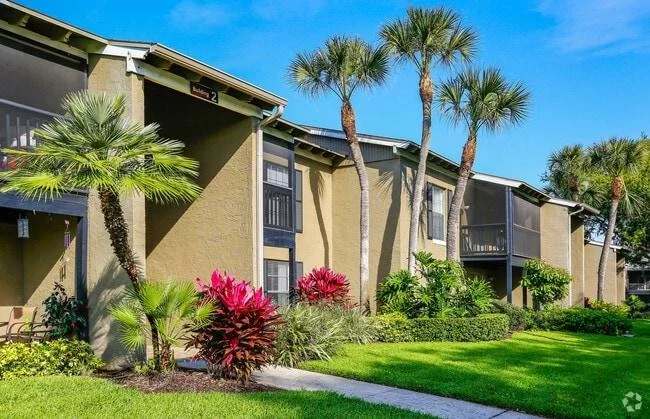
The massive construction wave has largely been concentrated in newer apartment communities. That creates an interesting dynamic. A resident may want a clean, safe and well-located apartment without paying the rent required by a newly constructed luxury community. That's where well-operated workforce housing can compete. Older properties aren't automatically good investments. They can bring deferred maintenance, aging mechanical systems, insurance challenges and significant capital requirements. But when the physical asset is sound and the acquisition basis makes sense, there can be opportunities to improve operations and the resident experience without trying to turn workforce housing into luxury housing.
That's an important distinction in our strategy.
What We're Watching in Central Florida
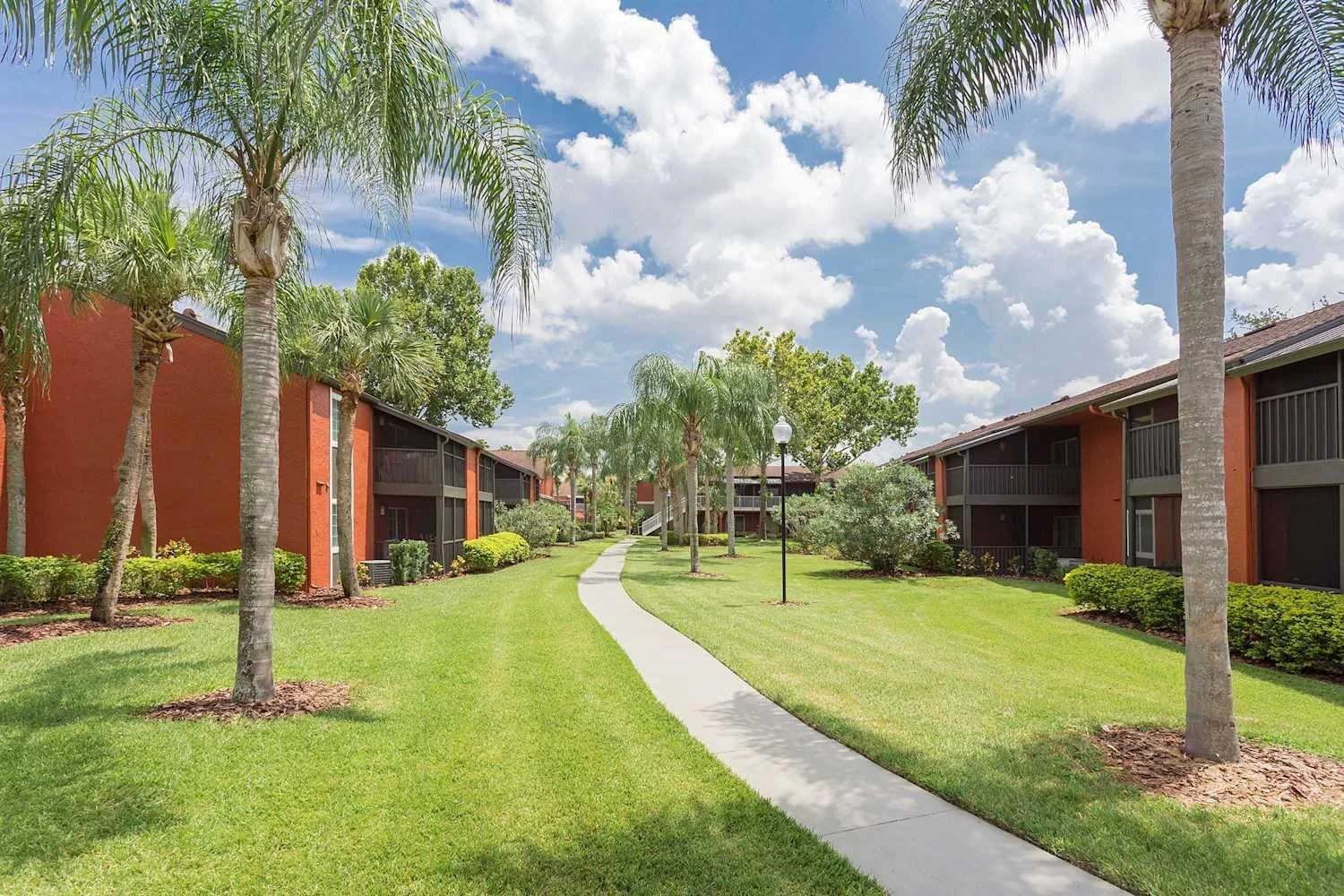
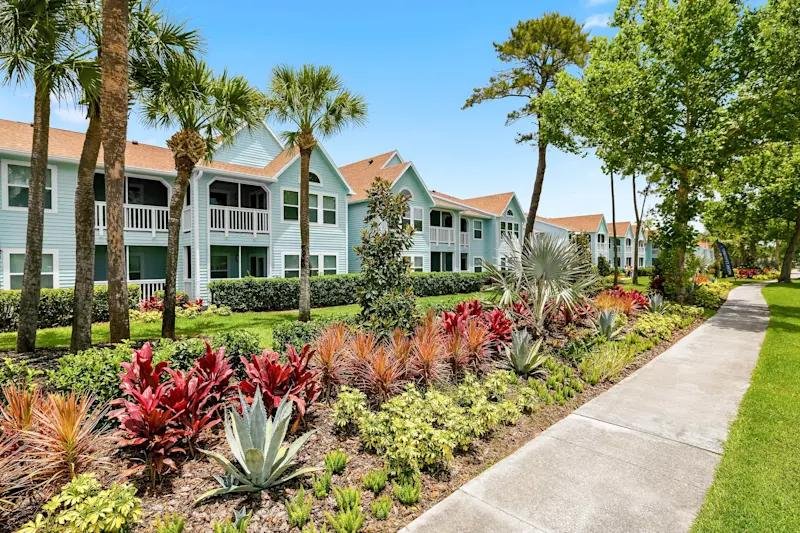
Workforce-oriented Class B and C communities where residents need quality, attainable housing and where thoughtful operations can create value.
In Orlando and throughout Central Florida, we're watching several things closely:
Occupancy. Are properties maintaining healthy resident demand as newer communities lease up?
Rent growth. We're underwriting today's rents—not aggressive future projections.
Insurance. Florida insurance remains a major expense that must be evaluated property by property.
Property taxes. A change in ownership can materially alter expenses, so historical taxes alone aren't enough.
Debt. Financing has to support the property rather than depend on aggressive future refinancing assumptions.
Basis. Ultimately, price matters. A strong market cannot rescue an investment purchased at the wrong basis.